
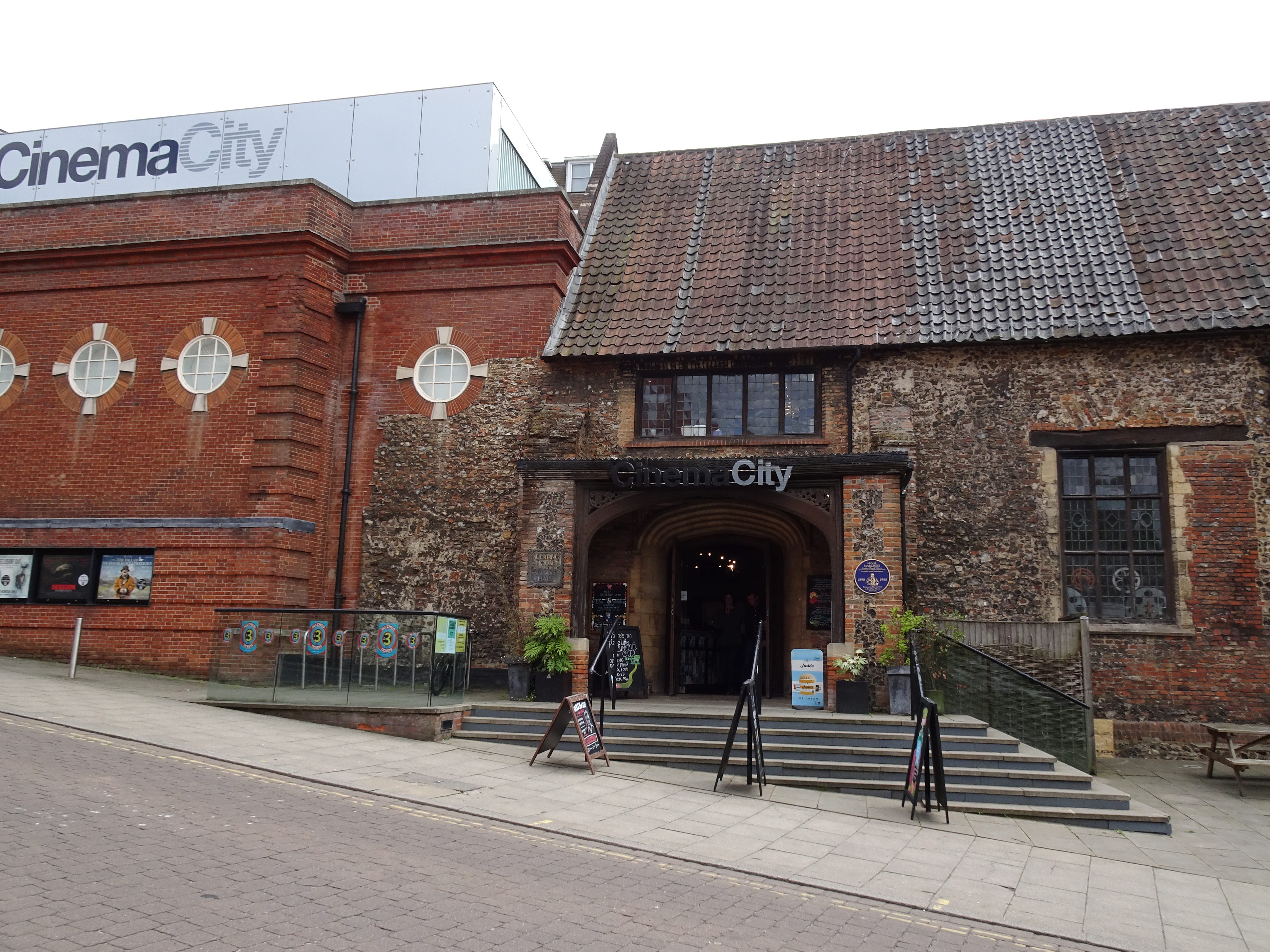
A filmmaker had a short film and a problem: finding somewhere to show it. That difficulty, faced by a friend of Kellen Playford, helped inspire the start of Norwich Film Festival in 2009. It is a simple beginning for a festival that now brings work from around the world to Norwich. Yet the original question still has a pull: what happens to a story when it has been made, but its maker cannot find an audience? From 6 to 15 November 2026, the festival returns to Cinema City and other Norwich venues. Its organisers say this year’s programme includes 136 shortlisted short films and 21 curated screenings, alongside feature films and special events. Behind those numbers are people who have spent time turning an idea into something to be watched. For audiences, the festival offers a chance to discover stories that might not appear on an ordinary cinema trip. For filmmakers, it offers somewhere for that work to meet a room of viewers. A lot can happen in a few minutesA short film asks for less time than a feature, but it can still introduce a complete world. One programme might move between animation, documentary, comedy and drama, with each filmmaker finding a different way to make a small window feel memorable. The festival says it received 1,399 submissions for the 2026 selection. Its shortlist spans British, International, Animation, Documentary, East Anglian, Student and Micro Short categories. Browsing the official film list gives a sense of that variety. A Clayful Adventure, directed by Florrie Macleod, is a four-minute student film about a meeting between discarded clay and a ceramic object. A Game of Chance, an animation directed by Gordon LePage, follows a lonely mouse and a board game played with the wind. They are very different starting points, but both show how much a short premise can suggest. The descriptions come from the festival’s catalogue; they are invitations to explore, not reviews of films we have seen. The catalogue links each shortlisted film to its screening and ticket information. That makes it possible to start with a title that catches your eye, then find the programme around it. |
 Illustration: a film camera and clapperboard. |
Giving independent film a screenAccording to the festival, that opportunity to reach an audience was the reason it began. Playford had seen a friend struggle to find a public screening for a short film, and wanted to help create more opportunities for independent filmmakers. The event relaunched as an annual festival in 2012 and became a registered charity in 2017. The organisers describe a continuing programme of screenings, filmmaker conversations and industry events, as well as the November festival itself. A screening can be a meeting point for people on both sides of the screen. An audience gets to encounter a filmmaker’s work; a filmmaker gets to see it shared. Where a programme includes a question-and-answer session, there may also be a chance to hear more about how a story made its way into a film. Not every short film needs to lead to something bigger to be worth watching. A few minutes can be enough to make someone laugh, introduce an unfamiliar perspective or leave a question hanging on the way home. Opening doors beyond the screenThe festival’s work also reaches people who are thinking about making stories of their own. Its Creative Futures programme describes events for school and college students, as well as opportunities aimed at undergraduates, recent graduates and emerging filmmakers. The idea is to make the range of creative work visible. Acting and directing are only part of the picture: the festival also highlights writing, sound, editing, production, visual effects and other skills involved in bringing an idea to an audience. |
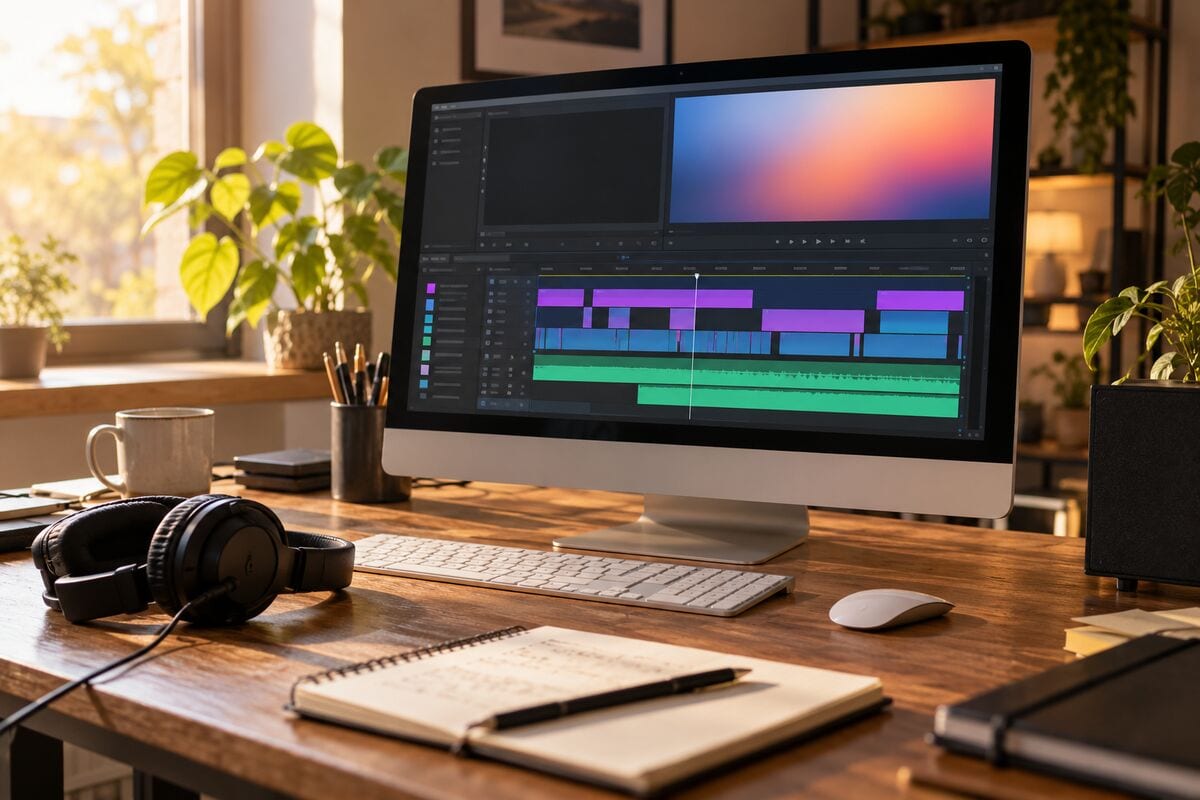 Illustration: a film editing workspace. |
For a student who enjoys art, computing, English or media, hearing about those different roles may offer a fresh way to think about where an interest could lead. The organisers describe talks, screenings and opportunities to meet people working in the sector; anyone interested should check the current event details directly. It is a useful reminder that film culture includes the people who write, build, organise and edit as well as the faces seen on screen. The work is collaborative, and there is more than one route into it. Finding your first screeningIf you’re new to the festival, there is no need to know every film or filmmaker before choosing a ticket. You could look for an East Anglian programme, follow an animation that appeals to you, or pick a theme that sounds like a good evening out. The festival programme is the place to check the current line-up and booking information. Organisers recommend booking in advance. Prices, age guidance, accessibility and availability can differ between events, so check the individual listing before making plans. From one friend’s difficulty finding a screen to a city-wide programme of new work, the festival’s story has grown around a straightforward idea: films need people to see them. This November offers Norwich audiences a chance to discover what those filmmakers have made. |




0 Comments
Join the conversation
Be the first to comment
Share your thoughts above.