ReDo Norfolk's work begins with a deceptively ordinary question: what could this become instead? A bag of fabric offcuts, an abandoned craft project or a piece of clothing that needs attention can all be starting points for practical creativity. The Norwich community interest company makes reuse a shared activity rather than just a message about being greener. Based at Norwich Unity Hub in Carrow House on King Street, ReDo describes itself as a place for sustainable ideas, events and projects. Its name stands for more than doing something again. The organisation uses four themes, recycling, education, development and organisation, to explain its approach to bringing materials and people together. Those are its own stated aims, not independently measured outcomes. More than a recycling binIt is easy to think of reuse as another form of sorting household waste. ReDo's project descriptions suggest something more hands-on. Its Recreate strand centres on learning, mending and making. Destash focuses on craft supplies that can be used again rather than bought new. The Bespoke project promotes local makers who use a minimum of 75 per cent preloved materials in qualifying work. That last rule is a particularly clear illustration of the idea. Instead of treating salvaged materials as an incidental flourish, it makes them central to a maker's work. ReDo also lists projects concerned with fashion, local independent businesses and jumble events. The project pages describe intentions and opportunities; they do not establish how many people have participated or how much material has been diverted from waste. ReDo's published guide to items it may accept makes the possibilities more tangible. It mentions fabric remnants, buttons, beads, half-finished craft projects, broken jewellery and some clothing that needs mending. It also lists certain kinds of packaging and electronics. But the organisation says its acceptance changes with capacity and need, and asks people to email before bringing anything. A published list should not be taken as permission to leave a bag at Carrow House. Learning by doingWorkshops give the material side of reuse a human purpose. ReDo's event programme includes making activities, community gatherings and appearances at local fairs. A sewing workshop that turns an existing item into something different tells a more useful story than a vague instruction to throw less away: it offers a technique participants may use again. On the organiser's programme checked for this article, a public open day about denim, fabric and fashion was listed at Carrow House for 19 November. The programme also included a private felt workshop and a weekly session specifically labelled for existing volunteers only. Those distinctions matter. A workshop listed on a website is not necessarily open to everyone, and an event marked 'existing volunteers only' is not a public drop-in or recruitment invitation. ReDo also offers interactive talks on clothing, textiles and sustainability. Its own description focuses on how garments are made, the materials involved and how a wardrobe might last longer. That opens the conversation beyond the sewing machine to decisions made before an item enters the house, and to what happens when it stops being useful in its original form. |
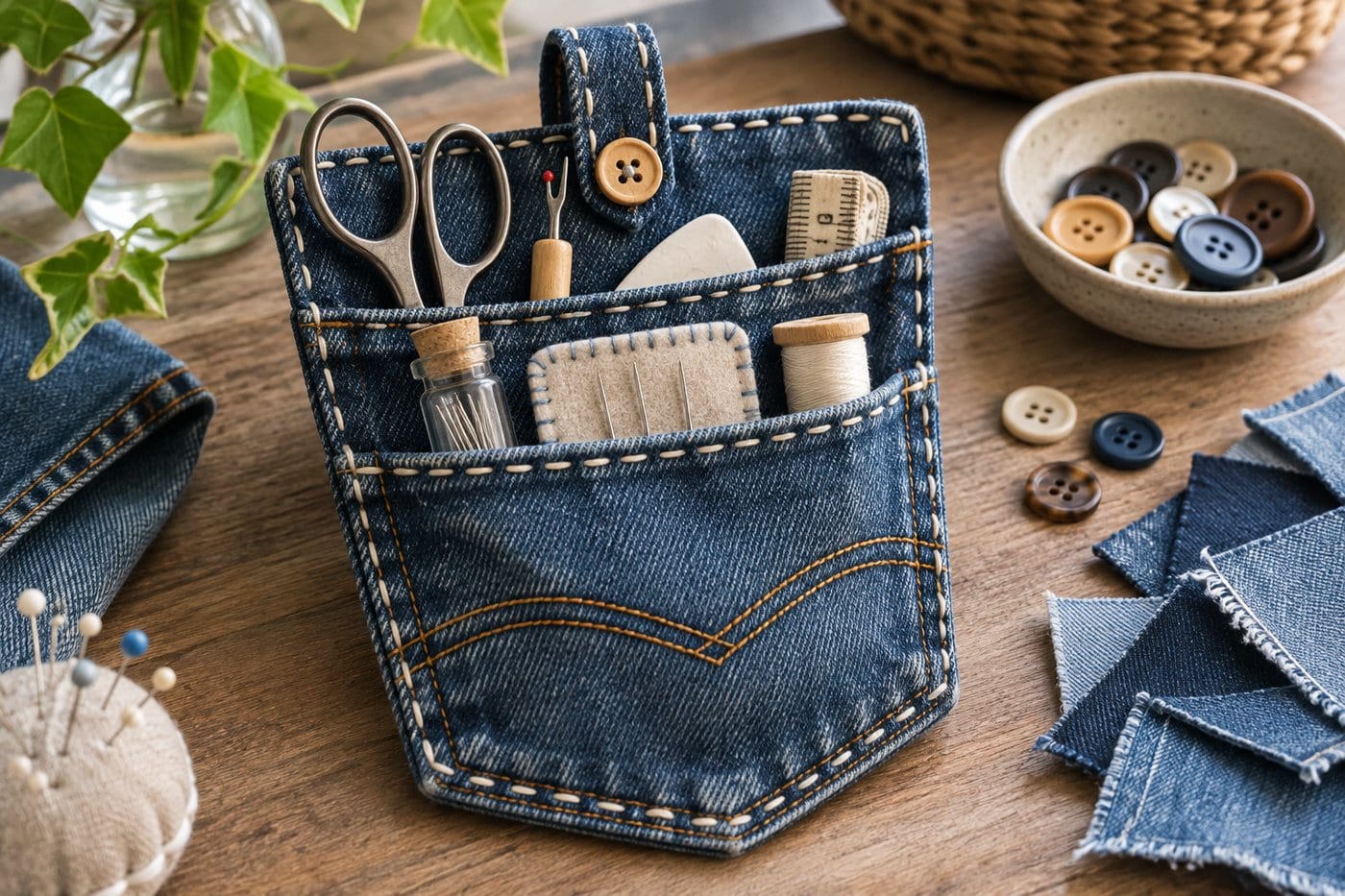 Illustration: A denim pocket reused as a sewing-tool holder. |
A place for local makersThe organisation's mix of projects connects people who make things with people who might otherwise discard the raw materials. A fabric remnant that is too small for one task may be ideal for another. A box of unused craft materials may be valuable to somebody beginning to learn. Neither example is a claim about a particular completed ReDo project; it is the straightforward principle behind its published reuse model. |
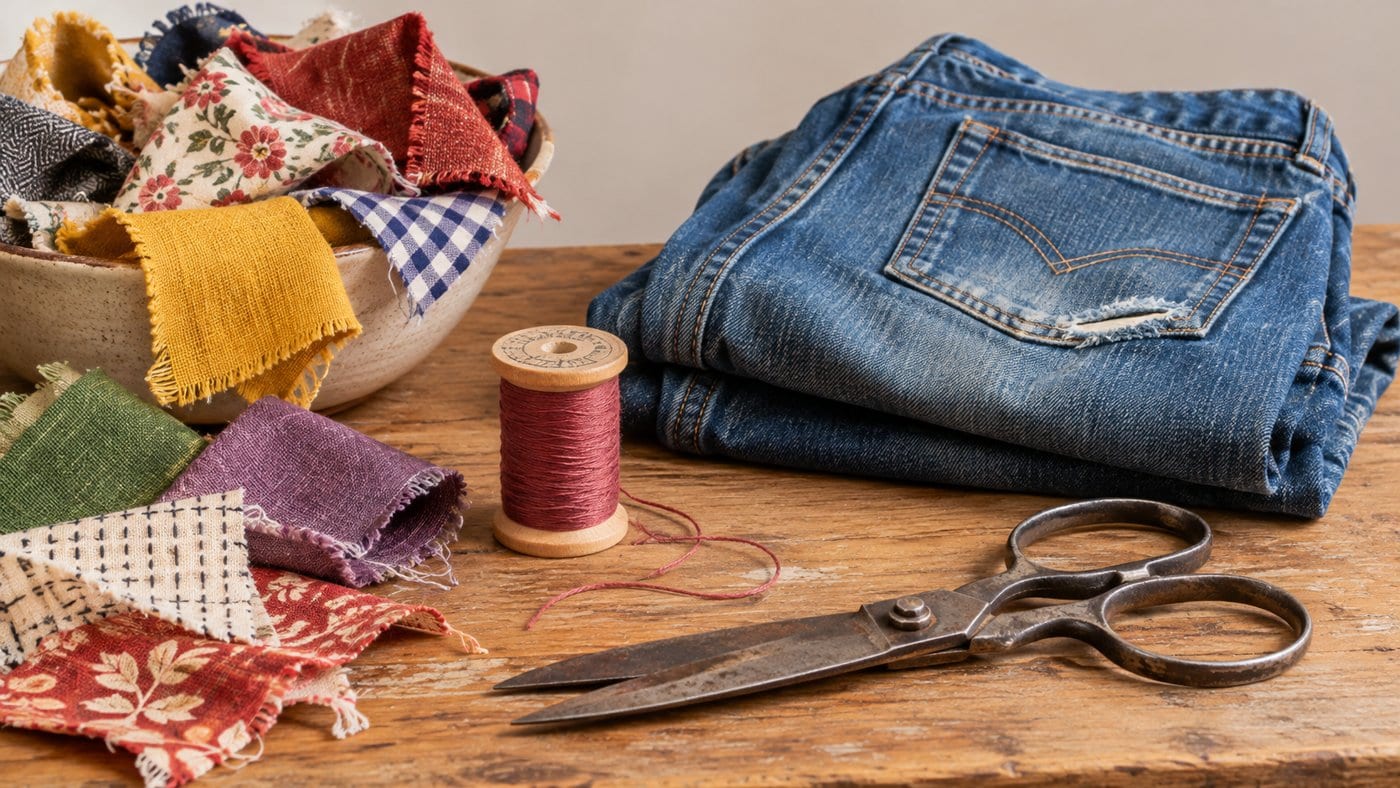
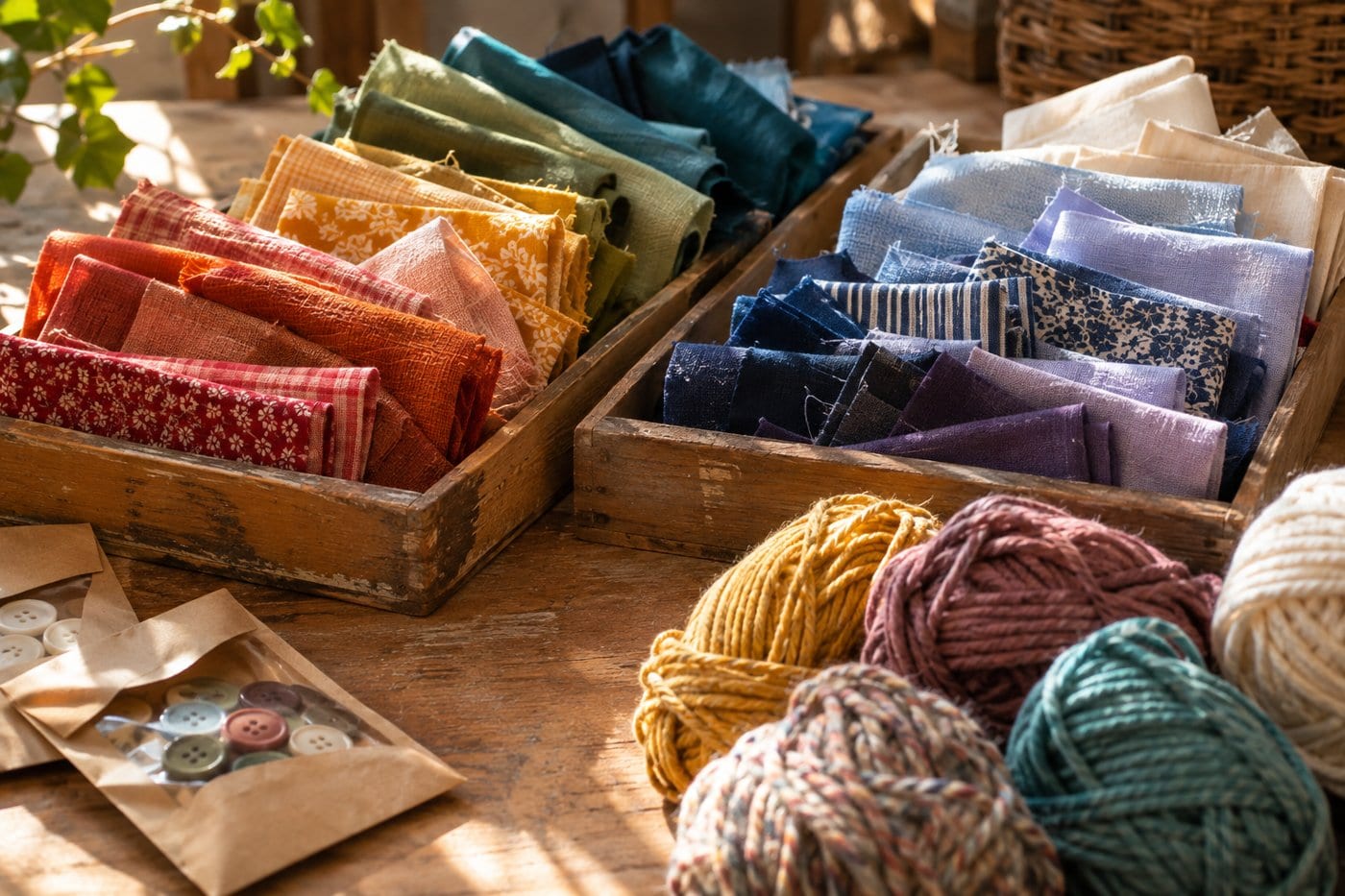 Illustration: Fabric offcuts and yarn sorted for reuse. |
There is also a local-business dimension. ReDo describes its Local and Bespoke strands as ways of highlighting Norfolk makers and enterprises. That gives small creative businesses another route to explain how they use resources. It should not be mistaken for independent endorsement of every maker or product. For a Norwich reader curious about trying a new skill, the sensible starting point is ReDo's current events page. Check whether a session is public, bookable, private or intended for established volunteers before travelling, and follow any organiser instructions about materials or fees. For a donation enquiry, contact ReDo directly first at [email protected]; its site cautions that space and accepted items vary. The wider appeal is simple. Reuse is easier to imagine when it looks like a shared table, somebody learning a technique, or a useful object that almost went in the bin. ReDo Norfolk offers a local example of how those modest practical choices can become a community activity. How far its programmes reach would need direct reporting and participant consent to measure. For now, the published projects and workshops provide a useful invitation to look again at what we already have. |



0 Comments
Join the conversation
Be the first to comment
Share your thoughts above.