

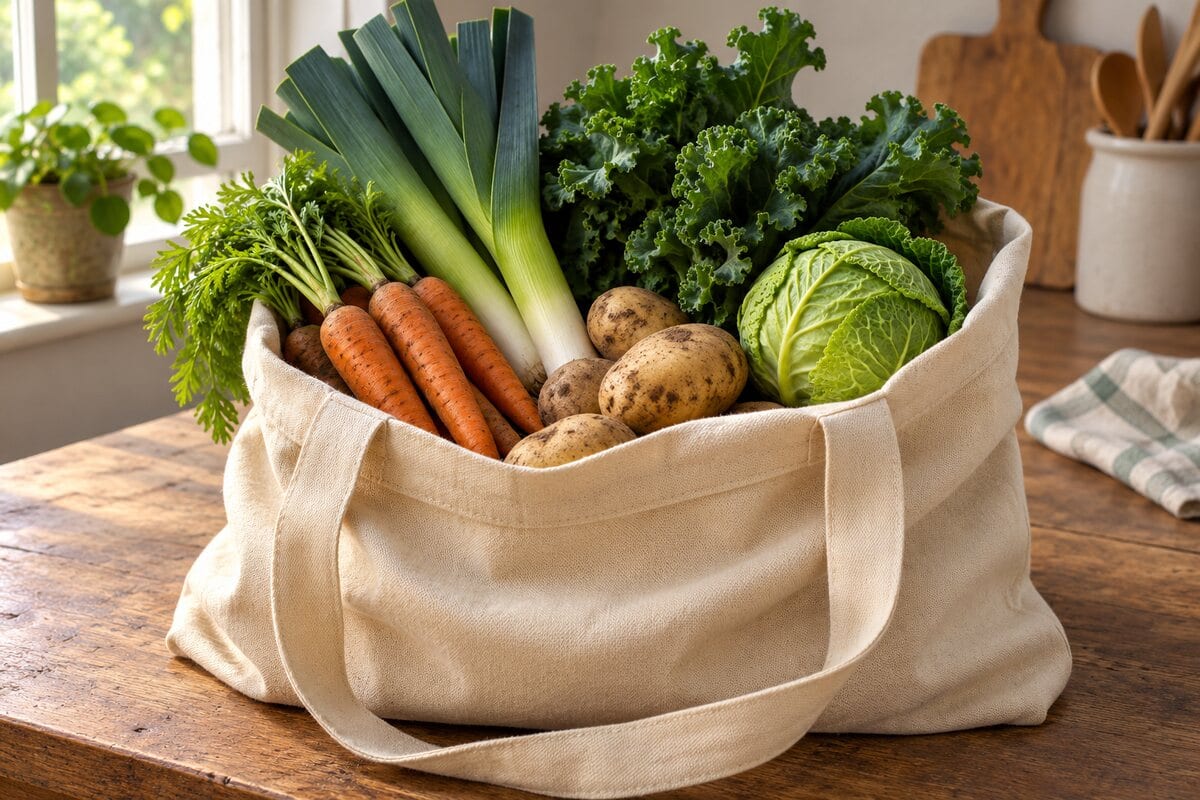
Buying vegetables does not have to begin with a supermarket list. For people who like the idea of putting seasonal produce at the centre of a few meals, Norwich FarmShare offers a different starting point: choose a bag size, arrange collection or delivery, and find out what the growers can put together. It sounds simple, but the detail matters. A smaller household may not want a large assortment every week. Someone without a car needs to know where a collection point is. And anybody budgeting for groceries needs the current price, not a romantic picture of a market garden. FarmShare’s own explanation of the scheme sets out those practical choices. Its market-garden contact address is on Whitlingham Lane in Trowse, just outside central Norwich, while collection and bicycle delivery connect the produce with people living in the city. What comes from the garden?The operator describes its vegetable bags as a seasonal variety, with the vast majority grown at its Norwich site. It also says it sometimes sources vegetables from organic farms in East Anglia, or elsewhere in the UK. That is a more useful description than assuming every item in a bag was picked from the same field. The veg-bag shop page gives examples of produce and growers. It makes another important point: contents can vary according to availability. An illustrated selection is therefore a guide to the sort of vegetables supplied, not a promise that the exact items or quantities will appear in every future delivery. That flexibility is part of buying seasonally. What is plentiful changes across the year, and a household planning around a bag might have to decide its meals once the actual selection is known. The trade-off is worth understanding before signing up, particularly if someone needs particular ingredients for the same recipes every week. Small, medium or large?There are three advertised sizes. At the time of checking, a small bag was listed at £9 and usually contained four items. FarmShare describes that option as useful for one person topping up their ordinary shop. A medium bag was listed at £14 and usually contained six items, with the operator suggesting it for one person or a couple. The large bag, listed at £18.50, usually contained eight items and is described as suitable for a couple or family. These are the operator’s guides, not independently tested guarantees of how much any household will eat. |
 |
Reusable bag example, not a FarmShare bag or contents. © Jonasek22, “String bag” (2010), resized. CC BY-SA 3.0. |
Price is only one side of the decision. A couple who cook most evenings might prefer a more varied bag. A person who wants vegetables for two dinners could find the smallest more manageable. How often the household cooks, whether it can store produce properly and whether anybody enjoys trying unfamiliar ingredients are all sensible questions to ask before choosing. The advertised prices and typical item counts are current website figures, not a promise about later orders. Check the live bag page at checkout because both the contents and terms can change. Collection, cycle delivery and trying it outFarmShare’s ordering page says customers can choose weekly or fortnightly bags, or order a one-off bag as a trial. That gives someone the chance to try the arrangement before deciding whether it suits their routine. The free collection option uses city-centre pick-up points in the NR1, NR2 and NR3 postcode areas. The operator asks collectors to bring their own bag to move the vegetables into, leaving its reusable bag at the pick-up point. For customers whose address qualifies, FarmShare advertises cycle-courier delivery at £3.50, with an additional £1.50 for outer zones. Its instructions ask household delivery customers to leave the previous bag out to be collected on the next delivery day. Delivery coverage, available slots and the final price should be checked for the actual address when ordering. The account area is also described as the place to update, pause or change an order. That does not mean every last-minute change will necessarily be possible: anyone depending on a particular delivery or facing a deadline should read the applicable terms first. A useful way to decideBefore placing an order, it helps to look beyond the photographs of vegetables. Think about the number of meals the bag needs to cover, whether someone can reach a pick-up point at the right time and whether an occasional changing assortment feels enjoyable or inconvenient. |
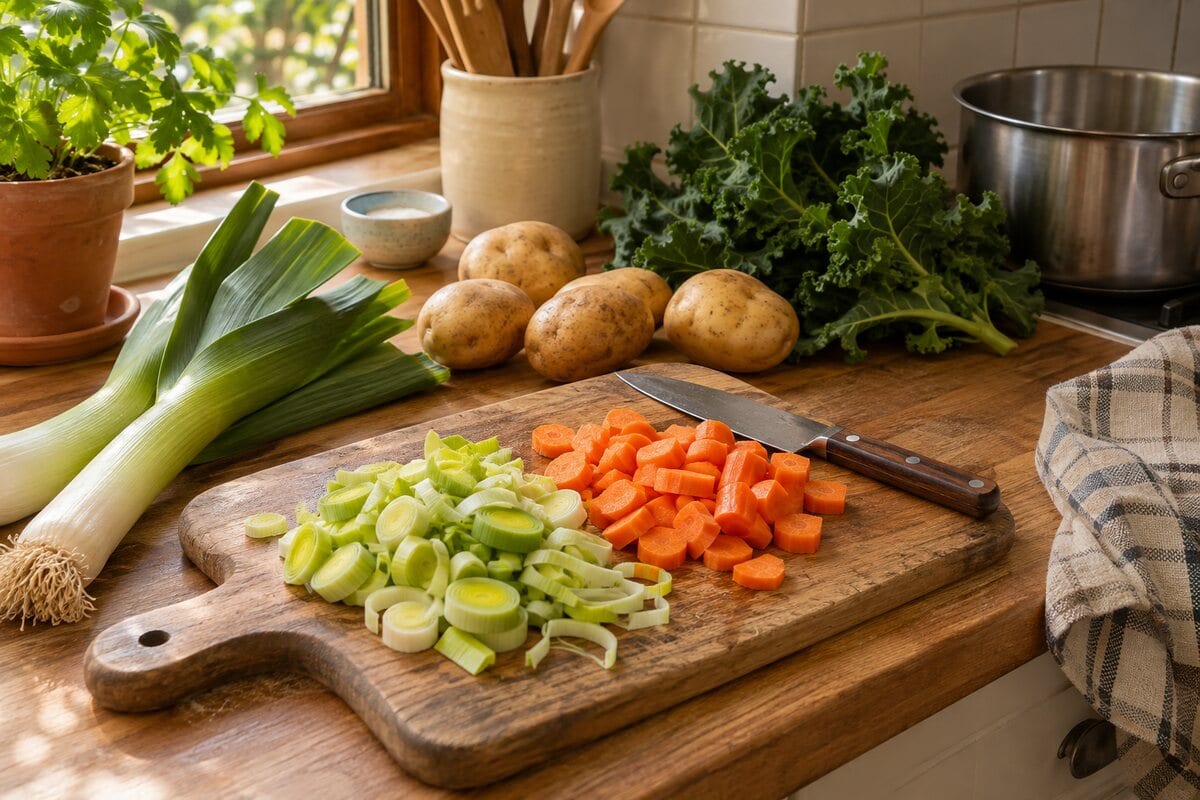 Illustration: preparing seasonal vegetables for everyday meals. |
It is also worth distinguishing the scheme’s local growing from its wider sourcing. FarmShare explains that most vegetables come from its own site, while other produce may come from regional or UK farms. That makes the growing story clear without claiming every bag is exclusively Norwich-grown, or that every item carries the same certification. There is no need to imagine a particular harvest, taste or environmental saving to see the practical appeal. The offer is a straightforward way to organise a portion of a weekly shop around a grower-led supply, with clear questions to answer about size and delivery. Readers can check the live Norwich FarmShare shop for the latest bags, ordering arrangements and contact details. The operator lists [email protected] for questions. A quick check of the current terms is the sensible final step, especially if choosing a delivery rather than collecting. |


0 Comments
Join the conversation
Be the first to comment
Share your thoughts above.