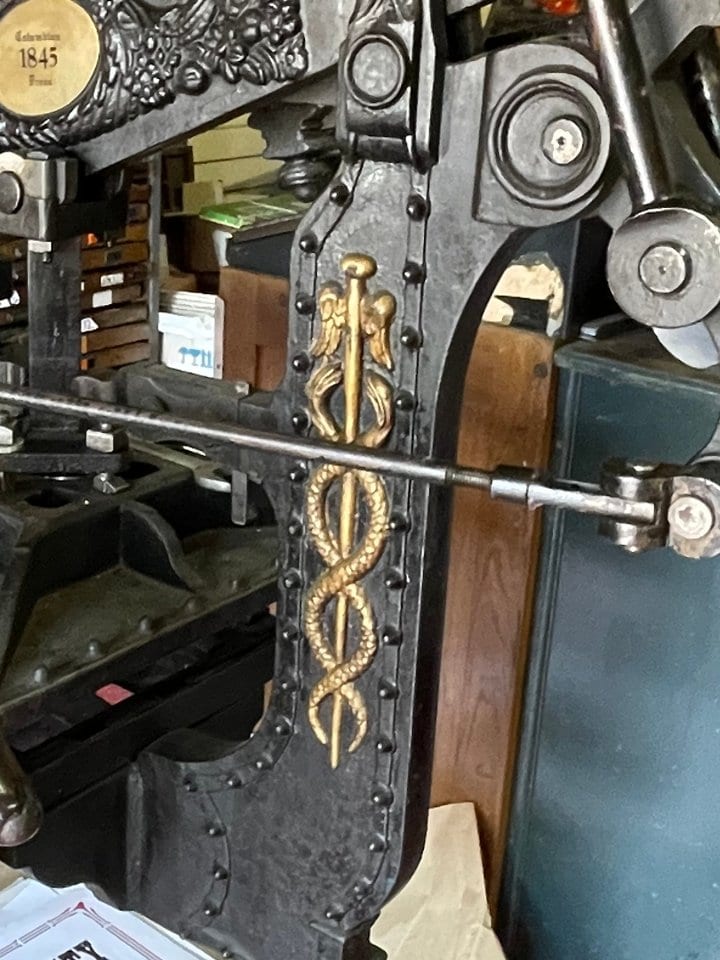
Before a word appears on a page, somebody has to decide how it will be made. Letterpress printing turns that invisible work into something physical: type, ink, pressure and the careful adjustment of a machine. Norwich Printing Museum exists to preserve those methods and help new generations understand why they mattered to the city. The museum's collection covers roughly five centuries of printing history. Its story is rooted in Norwich's long connection with the Jarrold company, but its present challenge is about the future. The museum's current homepage says it is closed to the general public and preparing to move out of its space at Blickling. It still offers a contact route for private collection enquiries and says it takes part in print fairs and related events. It is not currently advertising normal drop-in museum opening. From a printing city to a working collectionThe museum traces an important part of its origins to the Jarrold printing business. Its history records the company's move to Norwich in 1823, followed by decades of changing commercial printing techniques. As newer processes took over, much of the older equipment was kept. That survival became the starting point for the John Jarrold Printing Museum. The original museum opened in 1982, in a former friary space associated with the Whitefriars site. Its collections included presses, metal and wooden type, a bindery and printed ephemera. Some of the equipment arrived as other printing firms closed. Preserving it meant keeping the physical evidence of a trade, not merely its finished posters and books. A working museum adds something that a display case alone cannot provide. Letterpress depends on the relationship between individual pieces of type, the layout of a page and the action of a press. Setting words by hand asks for patience and judgement; the material itself has to be arranged before ink can make a readable impression. The museum's stated educational purpose is to teach processes like these, alongside bookbinding and related crafts. When a home is temporaryIn 2019 the museum became a registered charity, now run by trustees. After redevelopment plans affected its previous premises, the team secured space at the National Trust's Blickling Estate in 2021. The museum says its Historic Print Shop there held a selection of approximately 15 per cent of its wider holdings, while the rest remained in storage. There is an important difference between that history and the museum's present status. Its older history page still describes the Blickling display as open, but the current homepage explicitly says the public museum is closed and will move away from Blickling. Readers should follow the latest homepage notice, not an undated opening description or a former visitor listing. A museum update published in September 2025 described negotiations for a prospective central Norwich home and an ambition to open in 2026. Those were plans, not confirmation of an address, agreement or reopening. As of this article's research, no new public opening date could be independently verified. It would be misleading to invite readers to visit a building on the strength of those earlier hopes. |
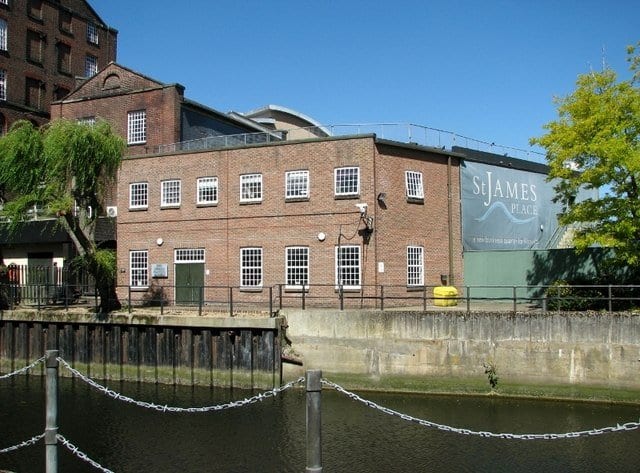 |
Former John Jarrold Printing Museum, 2018. Evelyn Simak / Geograph. CC BY-SA 2.0. |
Why the volunteers matterNorwich Printing Museum describes itself as volunteer-run. Its history credits printers, binders and other supporters with demonstrating the equipment and teaching both adults and students in the past. The human knowledge behind the machines is therefore part of the collection's value. A press can survive in storage, but using it safely and understanding its craft also requires skills that are passed from person to person. |
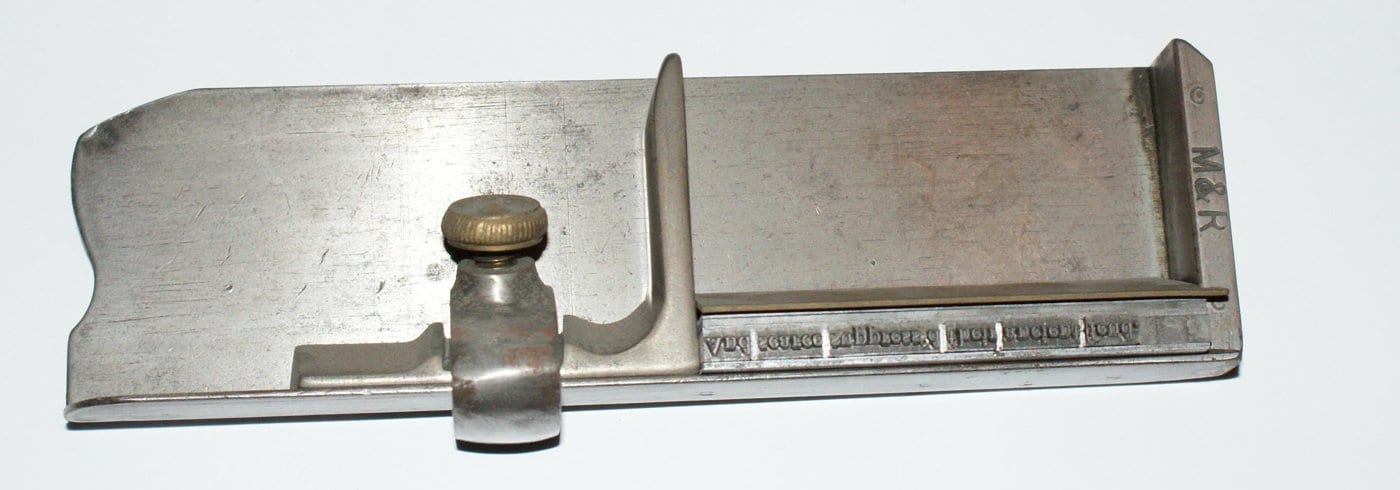 |
A Miller & Richard composing stick. Edinburgh City of Print. Resized. CC BY 2.0. |
The trustees' stated aim is to protect historic machinery and advance training in printing, bookbinding and allied practices, particularly endangered letterpress skills. The museum website offers ways to volunteer, become a member or support its work. That shows how the organisation hopes to sustain its activity, but it does not prove that every role is currently recruiting or that all machines are available for demonstration. Despite the closure, the organisation's homepage says its team continues to appear at independent print fairs and events. Its news section carries stories about particular machines, local print history and the search for premises. Anyone hoping to meet the team or see equipment working should check a specifically announced event and its conditions rather than assume a regular museum timetable. The wider point reaches beyond printing. Norwich has an industrial and cultural history written not only in buildings and archives but in the learned actions of people who knew how to make things. Keeping a piece of type or an old press matters; explaining how and why it was used makes the object meaningful again. The presses are not open to the general public in their old home just now. That limitation is real, and it deserves to be plainly stated. But a city can still value the people safeguarding those machines, and the possibility that someone learning letterpress tomorrow will understand a little more of the Norwich that came before. |

0 Comments
Join the conversation
Be the first to comment
Share your thoughts above.